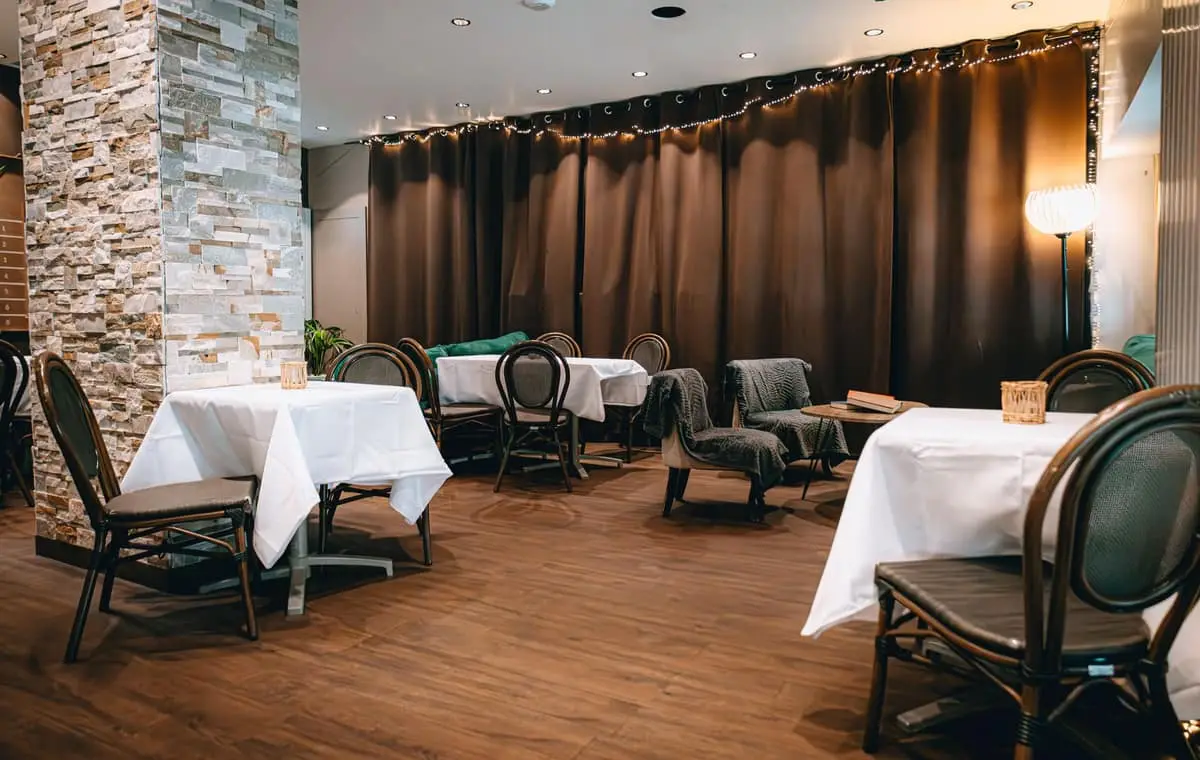
Tuesday, 7:30 p.m. The kitchen team is ready, the ingredients were bought fresh this morning, and the dish of the day is a small triumph. And out front? Four tables occupied out of fourteen. On Saturday the same restaurant was turning people away because every seat was taken.
That swing is the fundamental problem in the restaurant business: the costs run every single day, while the takings arrive at the weekend. And the answer is literally sitting in your guests’ pockets. The Saturday regulars would come on a Tuesday too if they had a reason and heard about it in time. A reason and reach are exactly what WhatsApp gives you.
Unlike a social media post that disappears into the feed, a WhatsApp message lands straight on the lock screen and, with an open rate of 98%, gets read almost every time. For a restaurant that means you can decide in the afternoon to fill the evening, and your guests find out before they sit down to eat.
Why restaurants and WhatsApp fit together
Eating out is a spur-of-the-moment thing. The decision not to cook tonight is often made in the late afternoon, and that is exactly the window in which WhatsApp reaches your guests. An appetising message at 4 p.m. lands with people who are wondering right then what to have for dinner.
Then there is the visual side. A photo of a steaming braise or fresh pasta says more than any line of text, and WhatsApp is a channel built for pictures. Finally there is the reply button, because “That looks good!” turns into “Have you got a table for four at 7 p.m.?” in a single message. The booking happens right there in the same chat. To see how other places put this to work, look at the industry page for restaurants.
The weekly menu as a regulars’ ritual
The foundation of restaurant marketing is one fixed, reliable message: the weekly menu. Every Monday morning it goes out to your guest list with the dishes of the week, a good photo and a line with some personality in it. “This week the asparagus came from the grower in the next village, and you know what that means.”
The effect of a ritual like this builds over the weeks. Your guests start planning their week around your menu. The Wednesday roast becomes a fixture for the crowd from the office, and the Friday fish dish becomes a family habit. The weekly menu use case shows you how to set it up.
An empty table on a Tuesday is not fate. It is a message you have not sent yet.
A short guide: filling the empty evening
The go-to move for quiet days is the spur-of-the-moment offer. Here is how it runs, using that Tuesday from earlier:
- 3:00 p.m.: Check the reservation book. Only four tables booked, so the evening needs help.
- 3:30 p.m.: Take a photo of the dish of the day, straight from the kitchen, real rather than staged.
- 4:00 p.m.: Message to the guest list: “Tonight we have our ossobuco, which has been braising since this morning. Anyone in before 8 p.m. gets dessert on the house. Just reply with the time you want and we will hold a table for you.”
- From 4:05 p.m.: The replies start coming in and bookings get confirmed in the chat.
The time limit is what matters. An offer that only applies today and only for a set window is what gives people the final push. And if tables really are still free at short notice, the table free use case gives you a ready-made message for exactly that.
Confirm bookings, avoid no-shows
The other big frustration in hospitality can be defused the same way: guests who book and never turn up. A short confirmation straight after the booking, plus a friendly reminder on the afternoon of the booking itself, does two jobs at once. Nobody forgets the table, and anyone who cannot make it cancels in one line, so you can give the table to somebody else instead of holding it empty.
Routines like this run automatically in the background, with nobody in the service team having to remember them. Setting it up is quick: with SmartChat you are ready in under 60 seconds, and the AI builds your landing page and your messages straight from your restaurant website.
How to build your guest list
Which leaves the question of where the contacts come from. The answer is sitting in your dining room every evening. A QR code on the table, on the menu and at the bar, plus a clear benefit: “Scan me and be the first to hear every Monday what is on the menu this week.” When people pay, the service team adds one sentence. That is all it takes.
You are on the right side of the law throughout, because every sign-up is GDPR-compliant: it runs on double opt-in, and the guest confirms it actively. The costs stay predictable too. Meta bills the WhatsApp fees directly, SmartChat adds nothing on top, and your guest list can grow without limit.
Conclusion
Full tables midweek come from a well-kept guest list, a fixed weekly-menu ritual and the nerve to send a message in the afternoon. Everything you need for that comes with SmartChat, from the landing page to the automation. Have a look at how it works in detail for restaurants.