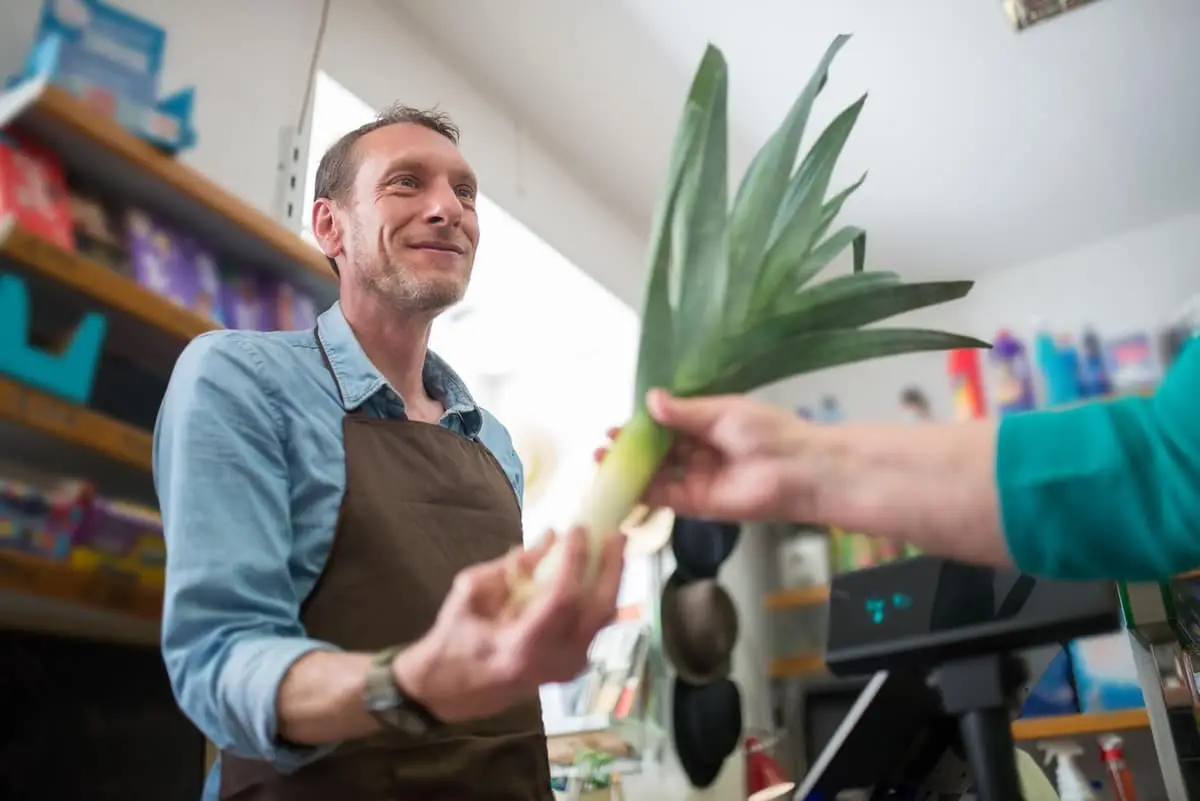
Friday afternoon in the farm shop. A customer spots the sign by the till, scans the QR code and signs up for your WhatsApp updates. She is curious, she likes your shop, and she wants to hear from you. She will never be a warmer contact than she is right now.
So what happens next in a lot of businesses? Nothing. Three weeks of silence, then the first message: a discount on something she does not need. By then her curiosity has worn off, the message feels random, and in the worst case she opts out.
That is exactly what a welcome sequence is for: a planned series of messages across the first few days after someone signs up. It puts that attention to work while it lasts, turning a passing contact into someone who trusts you and buys from you.
Why the first few days decide everything
WhatsApp messages reach an open rate of 98%. That is especially true in the days straight after sign-up, when your new contact still remembers exactly why they handed over their number. They are practically waiting for your first message.
That window closes slowly. Write for the first time weeks later and you are writing to someone who may have forgotten they ever signed up. Make a good impression in the first few days and you earn goodwill that carries over into every message that follows.
The welcome sequence is the one moment when a new contact gives you their full attention. Do not waste it.
The four building blocks of a good welcome sequence
A welcome sequence is not a single message. It is a handful of small steps. Four building blocks work particularly well:
1. The greeting. Right after the double opt-in comes a warm confirmation: good to have you here, this is what you will get, this is how often we write. Add a small thank you, such as a voucher for the next visit, and your new contact has a reason to come back straight away.
2. Your story. People buy from people. Use a second message to say who is behind the business, what drives you and what sets you apart. A photo of the team often works better than any piece of ad copy.
3. The first bit of value. Show that your messages are worth reading: a tip from your field, a look behind the scenes, an answer to the question customers ask most. This message sells nothing, and that is precisely why it is so valuable.
4. The first invitation. Only now does the actual offer arrive: a promotion, an appointment, a recommendation. Because trust came first, it does not feel pushy. It feels like the obvious next step.
Example: a sequence across ten days
Here is what that can look like in practice, with a beauty salon as the example:
- Day 0, straight after sign-up: “Hi Emma, lovely to have you here. As a small thank you, there is a free hand massage waiting at your next appointment. Just show us this message.”
- Day 2: “A quick hello: we are Grace and Chloe, and we have been running the salon on Market Street for eight years. Our thing is skincare that fits around your day, not the other way round.”
- Day 5: “The tip we get asked for most: should you moisturise before your morning coffee or after? There is a right answer. Here is why the order matters, in 30 seconds.”
- Day 9: “We have two slots left this week for our autumn facial. Fancy one? Just reply with the day that suits you.”
Four messages, each with a clear job, and none of them reads like a mailshot. At the start you do not need more than that.
Mistakes to avoid
The most common one: cramming everything into one giant message. Greeting, story, offer and three links all in one go will overwhelm anybody. Spread the content over several days instead.
The second: selling and nothing else. If every message is an offer, you are training your contacts to skim past you or mute you altogether. The mix is what builds the bond.
The third: the sequence ends and then there is silence. Decide from the outset what comes next, for instance a steady rhythm of news and promotions. Our use case on welcoming new customers shows you how to keep it going.
And finally: allow replies, and respond to them. A welcome sequence is not one-way traffic. If somebody answers your second message with a question, that is not an interruption. It is the start of a conversation, which is exactly what you wanted.
In short: start small, but start
You do not need an elaborate campaign with twenty branches. Four well-thought-out messages across ten days beat a single greeting followed by weeks of nothing. Start with the greeting, add the other pieces one at a time, and watch what your contacts respond to.
With SmartChat, the AI builds your landing page and follow-up sequences straight from your website, complete with a GDPR-compliant double opt-in, and you are ready to go in under 60 seconds - you will find the plans under Pricing.