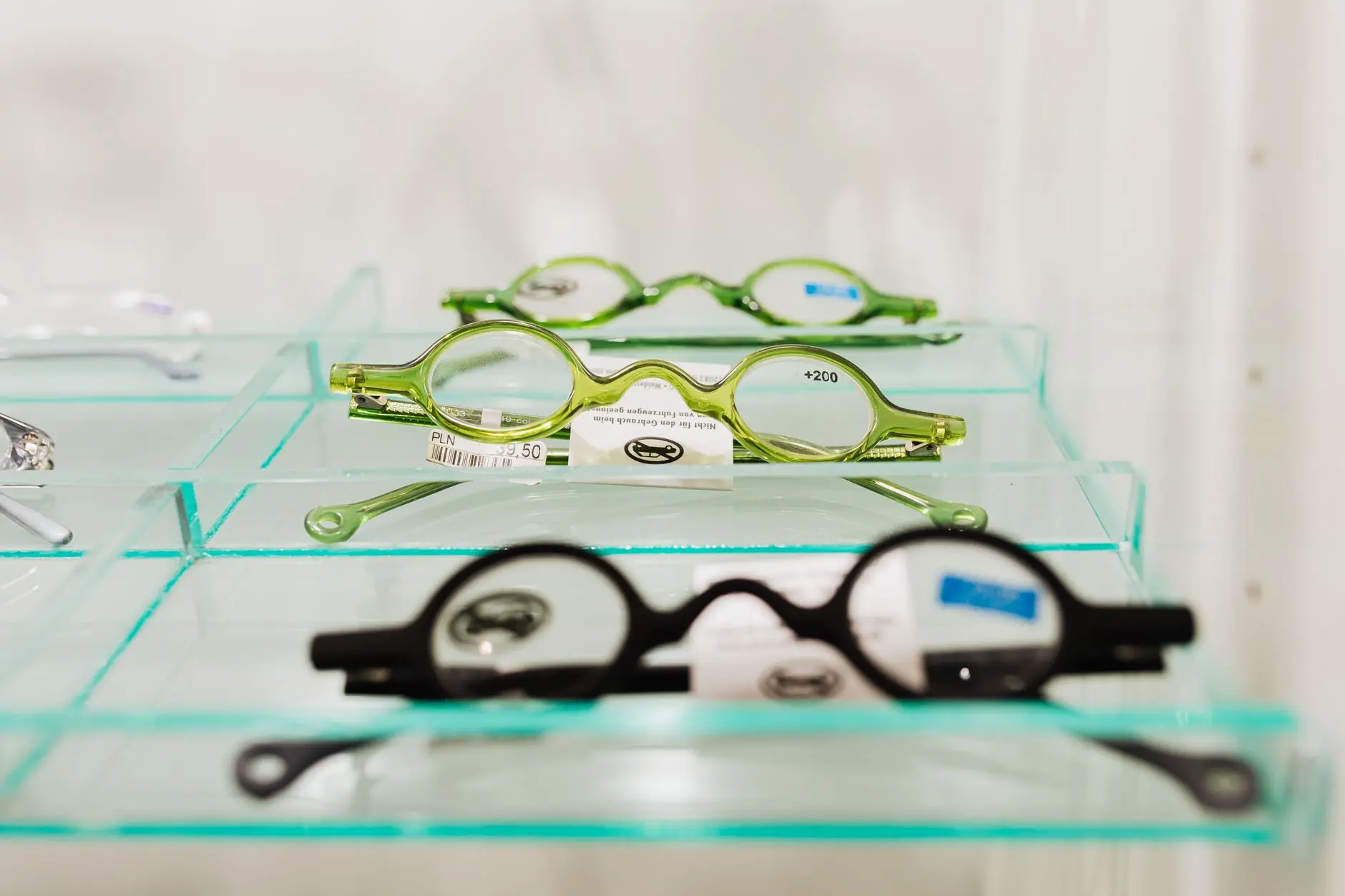
There they sit on the shelf behind the workshop: seven finished pairs of glasses, neatly bagged, sitting there for days waiting to be collected. One of your staff has rung every one of those customers. Three times voicemail, twice no answer, and one person said “Yes, I will pop in this week” and never came. Every pair lying there is money tied up and a customer waiting for their new lenses without being in any hurry.
The odd part: the same customer who ignores your landline replies on WhatsApp within minutes. It is not rudeness. Hardly anyone picks up calls from unknown numbers any more, and an email buried between newsletters and invoices simply disappears.
A collection message on WhatsApp fixes that on the spot. But it can be far more than a logistics update. Used properly, it is the start of a relationship that carries your customer through to their next pair of glasses, and makes sure they buy that pair from you rather than online or from the chain across the road.
The collection message: small, but your best way in
“Hi Helen, good news: your new glasses are ready and waiting for you. Just drop in during opening hours and we will fit them for you there and then.” Two sentences, read in seconds, and the collection rate in those first few days climbs noticeably. With a ready-made automation like glasses have arrived, it happens without a single phone call.
The real value lies somewhere else, though. With that one useful message you have opened a channel. Your customer has seen that your messages are relevant, not a nuisance. That trust is the ticket to everything that follows.
A shop that is only visible at the moment of sale gets seen every few years. One that is useful in between stays in mind.
The trade’s problem: years of silence between two purchases
Several years often pass between one pair of glasses and the next. In all that time, your customer hears nothing from you. No wonder that next time round, the online shop or the high street chain gets the sale. They are simply more present. The bond you built while advising and fitting them evaporates in the silence.
And yet there are plenty of genuine reasons to be in touch between purchases: a question about how they are settling in with the new lenses, a reminder about the free readjustment, the eye test after two years, care tips for the winter, prescription sunglasses in early summer. All of it is useful to the customer, and all of it puts you back in their mind exactly when it counts. Our page for opticians shows what that can look like for your shop.
Example: twelve months of contact after a pair of glasses
Here is how a sequence after a collection could look. Set it up once and it goes out to every customer automatically.
- The day the glasses are finished: the collection message, as above.
- One week after collection: “How are you getting on with the new glasses? If they pinch or slip, pop in for a moment. The adjustment takes five minutes and costs nothing.” A perfect moment for a short feedback message after the appointment, too.
- After six months: a small care message. Ultrasonic cleaning in the shop, free any time. It brings people in, and now and then a second pair goes out with them.
- In early summer: “We have your prescription on file. Sunglasses made up to it are quicker than you think.”
- After two years: the invitation to an eye test. Exactly the message that steers the next purchase to you rather than online.
You build sequences like this once with follow-ups, and from then on every customer gets them at the right moment, whether you are out on the shop floor, grinding lenses in the workshop or away on holiday.
What to watch out for
Three rules keep the line warm without overheating it.
First, every message needs a real benefit for the customer: a reminder, a service, an offer that fits.
Second, less is more. A handful of well-placed messages a year reads as attentive. Weekly adverts read as desperate.
Third, start cleanly. Collect consent at the point of sale with a double opt-in, which keeps you GDPR-compliant, for example with the line “Shall we message you as soon as the glasses are ready?” Hardly anyone says no to that.
The short version: the glasses are the product, the line is the business
A collection message saves you phone calls, but the real gain is an open channel to every customer who would otherwise go quiet for years. With SmartChat you set up the collection message and the follow-up sequence in a few minutes: the AI builds the wording from your website, contacts are unlimited, and plans start from 299 euros. That is how “your glasses are ready” turns, over time, into “my optician”.