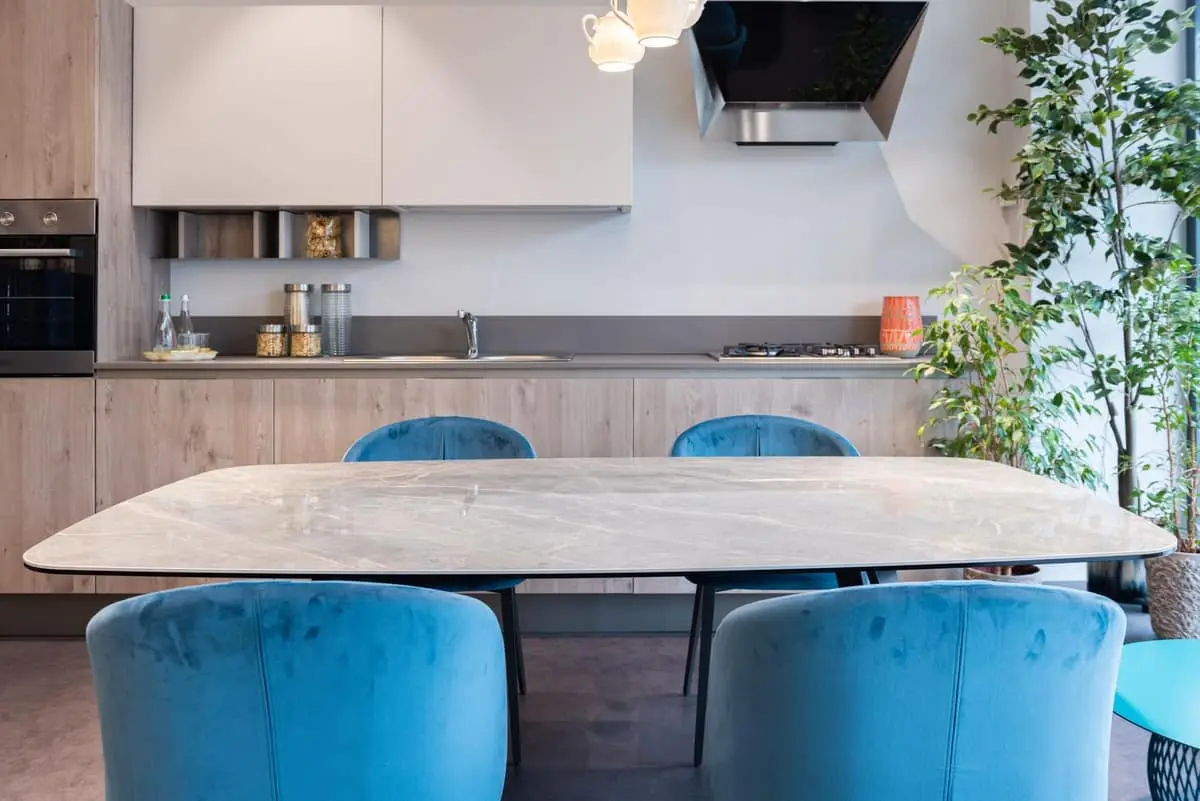
Saturday morning, just before ten. The showroom is tidy, the display kitchen is gleaming, and the floor plan is already loaded in your design software. One of your designers has set aside ninety minutes, because the family wanted to talk through a whole new kitchen. By 10:15 nobody has arrived. By 10:30, still nobody. The call goes straight to voicemail.
Every kitchen showroom knows mornings like that, and they hurt twice over. The consultation time is gone, and someone else would have jumped at that exact slot. There is rarely any bad intent behind it. The appointment was booked two weeks ago, life got in the way, and no reminder ever went out.
That is where WhatsApp helps. Hardly any other channel sits so close to your customers’ everyday routine, and messages sent there are opened 98% of the time. In this article you will see how a handful of messages fill more consultation slots and keep far more of the ones you book.
Why no-shows are so expensive in a kitchen showroom
A kitchen consultation is not a five-minute chat. Your team blocks out one to two hours, prepares floor plans, pulls samples together and often keeps the most sought-after slot of the week free: Saturday morning. If the appointment falls through, that time is gone for good.
At the same time, a kitchen is one of the biggest purchases a household ever makes. So a no-show is not just a lost hour. It is a potential order that ends up somewhere else.
Do the maths. Two no-shows a week add up to roughly a hundred lost consultations over a year. Even if only a share of them would have turned into orders, the gap is enormous. The good news: no-shows are not inevitable. They are usually a reminder problem, and a reminder problem is fixable.
A consultation that actually takes place is the cheapest marketing your kitchen showroom will ever have.
The reminder chain: three messages that cut no-shows
Here is a simple chain that works from day one:
- Straight after booking: Send a confirmation with the date, the time, the name of the designer they will be meeting and the address. That makes the appointment feel real, and it lands somewhere your customer already looks several times a day.
- Two days before: A friendly reminder asking whether the time still works. One thing matters here: offer to reschedule up front. Someone who moves an appointment has not cancelled it, and you can offer the freed-up slot to somebody else.
- On the morning itself: A short, warm message along the lines of “Looking forward to seeing you at 10. The coffee is on.” That reads like hospitality, not like checking up on people.
With calendar reminders this chain runs on its own as soon as an appointment is in your calendar. You set it up once and never have to think about it again. To see how other businesses reduce no-shows, have a look at the use case.
Before the appointment: get the customer involved
There is a second way to cut no-shows, and it often gets overlooked: involvement. Someone who has already done something towards their new kitchen tends to show up. So a few days beforehand, ask your customers on WhatsApp for three things: the measurements of the room, two photos of the old kitchen and a short wish list. That takes 60 seconds in a chat, with no form to fill in.
You gain twice over. Your designers walk into the meeting far better prepared, and the customer has already put time into the project. A vague “let’s have a look” turns into a real plan. You can even give them a taste of what is coming: “We will put together two door fronts that match the photos you sent.” That creates anticipation rather than obligation.
After the consultation: follow up without pushing
The meeting went well, the quote has gone out, and then what? In a lot of showrooms, nothing happens next. Yet families rarely decide on the same day. A short message three or four days later works wonders: “Any questions about the design? Happy to tweak the details.” That is helpful rather than pushy, and it keeps your showroom front of mind while the customer compares options.
This step can be set up as a fixed routine too, so no quote is ever left hanging again. You can see exactly how that works in following up on a quote.
In short: fewer gaps, more kitchens
Confirm, remind, involve, follow up. Four small messages turn a patchy appointment diary into a full one. The only thing you have to get right is collecting mobile numbers properly, with a GDPR-compliant double opt-in, and then nothing stands in your way. SmartChat is ready to go in under 60 seconds and runs the whole reminder chain for you. All the details for your showroom are on our page for kitchen showrooms.