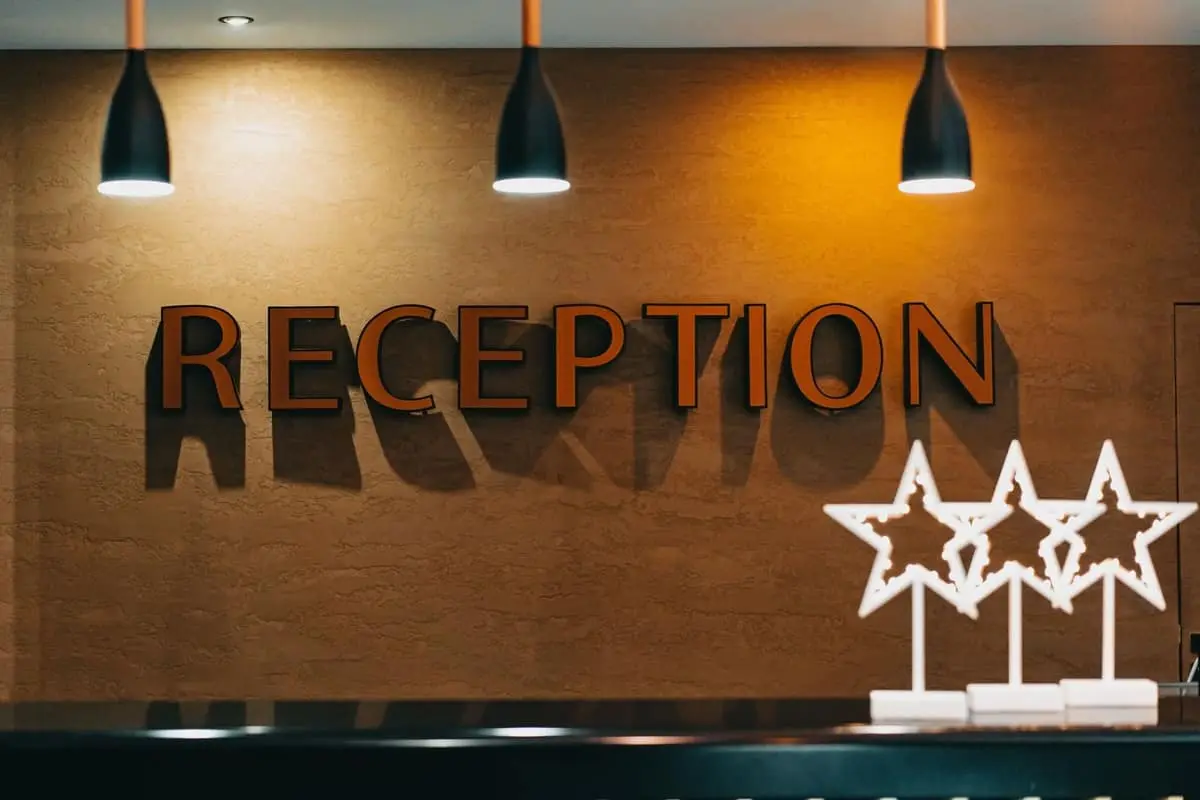
Saturday lunchtime at reception. Three guests are waiting to check in, the phone is ringing for the fourth time, and the inbox still holds enquiries from last night that nobody has answered. One of them was a family wanting two rooms for next week. By the time your reply goes out, they have already booked somewhere else.
Every property knows this scene, from the small family-run guesthouse to the city hotel. Guests decide quickly these days, and they expect quick answers. Reply hours later and the booking goes to whoever got back to them in five minutes. That is where WhatsApp plays to its strengths: it is the channel your guests already use to plan trips with family and friends, and with an open rate of 98% your messages get read almost every time.
This guide shows you how to use WhatsApp along the whole guest journey, from the first enquiry to the review after they leave.
Before arrival: turning enquiries into bookings
The stretch between enquiry and booking is the most fragile part of the journey. The guest is still comparing, and every unanswered question is a reason to keep looking elsewhere. So invite questions over WhatsApp right on your website. The barrier is far lower than with a phone call, and you can fire off a quick answer between two check-ins.
Once the booking is in, the build-up begins, and you can shape it. A message a week before arrival, with directions, parking details and a word about the spa, answers the questions that would otherwise land on the phone one by one. Two days before arrival, send a short reminder with the check-in time. Your guest feels looked after before they have even arrived.
For international guests, it is worth looking at multiple languages. A message in the guest’s own language feels far more welcoming than standard English ever does.
During the stay: a short line to reception
Once guests are in-house, WhatsApp becomes a concierge in their pocket. Instead of ringing down or walking to reception for every small thing, they simply send a message: Is there a table free for dinner? Could I have a second pillow? How late is breakfast served?
For your team this is less disruptive than it sounds. Messages can be answered in the gaps, whereas a ringing phone demands attention that very second. And you can get on the front foot: a message in the afternoon saying the guided wine tasting starts at 5 p.m. and four places are left will fill the add-ons that usually go empty.
The best moment for guest communication is the moment the guest actually needs the information.
After departure: reviews and return visits
The stay is over, but the relationship does not have to be. Two things now decide your long-term success: reviews and repeat bookings.
Here is what that looks like in practice. The day after departure, a personal message goes out: “Hello Grace, it was lovely having you and the family with us. How did you find your stay?” If the reply comes back full of praise, follow it with a friendly request for a Google review and a direct link. If the reply is lukewarm, ask what could have been better and catch the criticism before it goes public. The collecting reviews use case shows you how to turn this into a routine.
For return visits, the rule is simple: get in touch on the right occasion. Your summer guests get the early-booking news for next season in January. Your spa guests get the winter offer in autumn. The couple whose wedding you hosted get an invitation for their anniversary. A handful of well-timed messages a year is plenty to stay top of mind, and they cost a fraction of what you spend winning a new guest through booking portals and advertising.
How to get going
Starting is a smaller job than most people expect:
- Connect your hotel number to SmartChat. You are up and running in under 60 seconds.
- The AI automatically builds a landing page for your guest newsletter, straight from your hotel website.
- Put the sign-up QR code on the reception desk, in the rooms and on the breakfast tables.
- Start with a single sequence, the pre-arrival information for example, and add more step by step.
One thing matters for staying on the right side of the law: every guest confirms their sign-up by double opt-in, which keeps you GDPR-compliant. Meta bills the WhatsApp fees directly, SmartChat adds nothing on top, and your guest list can grow without limit.
Conclusion
WhatsApp turns anonymous bookings into personal guest relationships: faster answers before arrival, a short line to reception during the stay, more reviews and repeat bookings afterwards. To see what that looks like for your own property, visit the industry page for hotels, which also shows how SmartChat sets the whole process up for you.