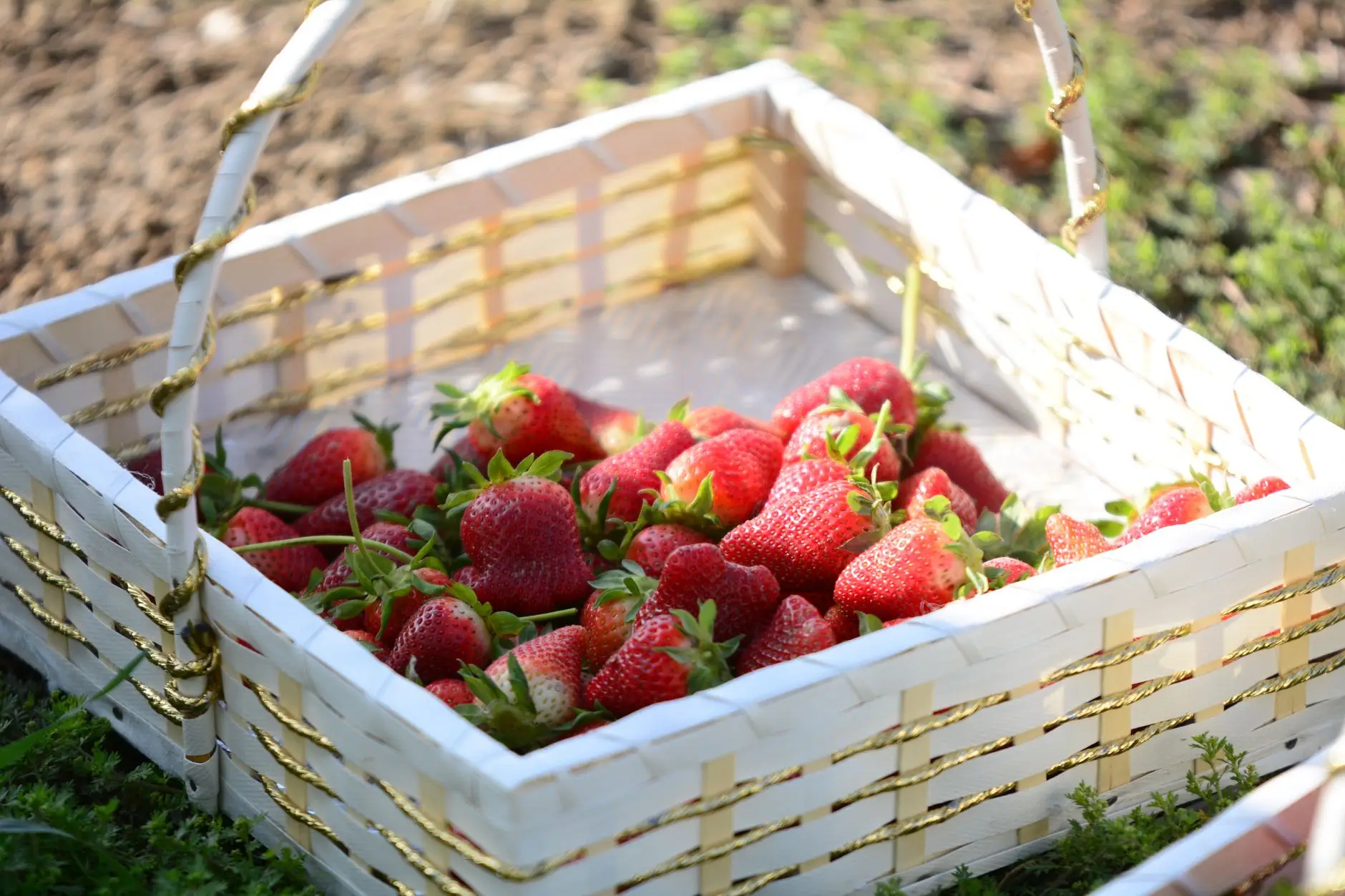
Thursday, just after six in the morning. The first strawberries of the season have been picked, the trays are in the cold room, and they are as good as they have been in years. The problem: your regulars have no idea. A few happen to drop in today and get lucky. The rest come on Saturday, and by then the first pick is long gone.
Nearly every farm shop knows the feeling. What you have to sell changes with the weather, with what is ripe, with whatever nature hands you that week. That is exactly what makes a farm shop special, and exactly what makes traditional advertising useless. A flyer printed a fortnight in advance cannot know the strawberries are coming on Thursday.
WhatsApp can. One message from the field, three sentences, a photo, and your customers know before the shop has even opened. No other channel fits the rhythm of a farm this well.
Why farm shops and WhatsApp go together like potatoes and butter
Your biggest asset is freshness, and freshness has a shelf life. An email often gets read in the evening, or never at all. A social media post only reaches whoever the algorithm happens to favour that day. A WhatsApp message, on the other hand, gets read almost every time, usually within minutes. The open rate sits at 98 percent.
Then there is the relationship. People who shop at a farm shop want to know where their food comes from, and they often know the family behind the farm. A message with a photo of a misty field at dawn is not advertising. It is a piece of the farm’s story. No supermarket can copy that closeness. You can see how businesses like yours put this to work on our page for farm shops.
What gets harvested today has to be talked about today. Tomorrow it is yesterday’s stock.
The weekly box: from subscription to something people look forward to
Plenty of farms offer a weekly box or veg box. Usually it runs quietly: pack the box, customer collects, done. Yet inside that box sits a weekly reason to get in touch.
Send your box customers a short message the day before. “In your box tomorrow: the first pointed cabbage, young carrots, chard and a bunch of dill. To go with it: carrot and dill salad, ten minutes start to finish.” Suddenly the box is not a chore to collect any more. It is a small event people look forward to. Somebody who knows what is in it plans their cooking around it, and skips a week far less often.
It helps with the everyday things, too: reminders about collection times, notes before a bank holiday, the question “pause the box next week or keep it as usual?” All of that would otherwise cost you phone calls.
Harvest news and freshness alerts: the short guide
Here is how to build your direct line from the field to your customers:
- Collect contacts at the counter. A small stand with a QR code by the till: “Be the first to know what we are picking.” Anyone who scans it signs up through a GDPR-compliant double opt-in.
- Send one or two messages a week. A regular harvest update, on Thursdays for example: what is new, what is running out, what the weekend will bring.
- Save the freshness alert for something special. The first strawberries, the freshly pressed apple juice, the last of the pumpkins: a spontaneous freshness alert with a photo lands harder than any promotion you could plan weeks ahead.
- Write the way you talk. Use the same words you use at the counter. “The rain has done the lettuces a world of good” beats any marketing slogan.
A complete message might look like this: “Morning! We brought in the first melons overnight, sweeter than last year, promise. In the shop from 9 a.m. while they last. See you later, the Hartley family.” Three sentences, one photo, done.
What to do when the weather turns or you end up with a glut
The second big benefit shows up when things do not go to plan. Hail has marked half the tomatoes? “Our tomatoes look a bit wilder than usual this week. They taste exactly the same, and they are cheaper because of it.” Too many courgettes at once? One message with a recipe idea, and the surplus is sold by the evening instead of ending up on the compost heap.
That is exactly when the direct line pays off. Within an hour you reach the people who are glad to help, because they like your farm. That rescues stock, saves money and turns a harvest problem into a story people warm to.
Conclusion: the shortest route from field to kitchen
A farm shop runs on the moment, and WhatsApp is the only channel fast enough for that moment. With SmartChat you are ready in under 60 seconds: the AI builds your landing page and newsletter straight from your website, you get unlimited contacts, and plans start at 299 euros. That way your harvest ends up where it belongs, on your customers’ phones and then in their kitchens.